Table of Contents
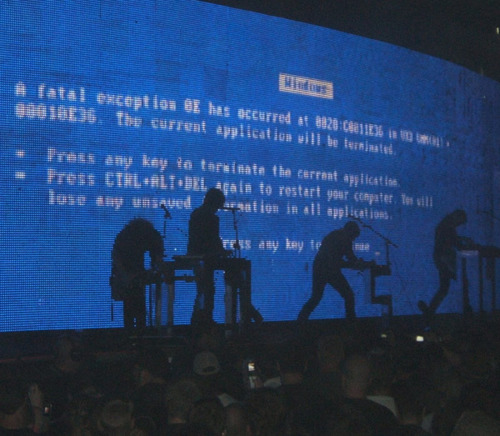
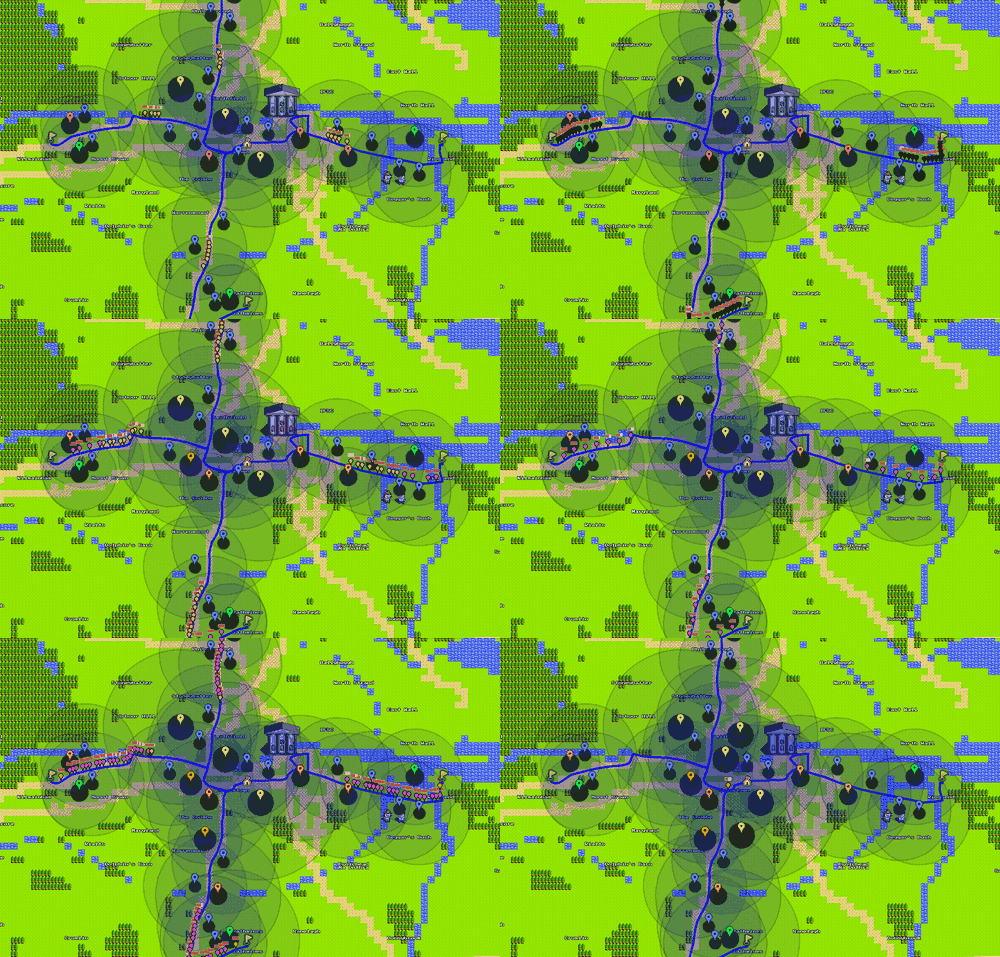
يبدو أن الجميع يتحدثون عن الجمالية الجديدة مؤخرًا. هل رأيته؟ من المحتمل أن يكون قد حطم سجلات من الاعتمادات / يأخذ في عطلة نهاية الأسبوع الافتتاح. في شكل ، فقد تم نحو عام ضئيل أو نحو ذلك ، حرض من قبل جيمس. وقال إنه كان يجمع الأشياء لفترة الآن ، ووصفها بأنها “لوحة مزاجية لمنتجات غير معروفة.” طائرات بدون طيار ، ورسم الخرائط ، والبنية التحتية للمراقبة ، وزيادة واضحة ، وإكساب البيكسل ، والتقادم ، والأشباح التكنولوجية ، والحنين للخلل ، # ، ثورة ، وهلم جرا. البصرية كما في كل الخروج. كل الجمالية الجمالية في المستقبل القريب قد تكون هنا بالفعل.
ثم قبل بضعة أيام ، كتب بروس ستيرلينج المصغر 5000 كلمة في في. كما لو كان لأصغر سنا ، مدحاً ومذبحاً بتدابير متساوية ، فكر ونظّر الجمالية الجديدة على أنها أكثر من مجرد تراكم ، مثل شيء أقرب إلى الحركة. لقد كان ذلك نوعًا الصفحة الرئيسية من نقطة الوميض ، مما خلق – مثل هذه الأمور ستفعل – موجة من الاستجابات. كان الكثير من الناس معنى للكتابة عن الجمالية الجديدة ، لفترة من الزمن. للأعمار التي تعرفها ، وما هي الشرارة أفضل من تقارب وواحد من أفضل بروس المعروف؟ هو قال،
يهتم النظام الجمالي الجديد نفسه بـ “اندفاع رقمي إلى مادي”. كان هذا الاندفاع حتميًا. إنها مستمرة منذ جيل. يجب أن يكون مثقلا أفضل بكثير مما هو عليه. هناك طرق لجعل تلك الأرض المغطاة بالحمم البركانية شديدة الخصوبة وفنية الإنتاج. ستنمو المحاصيل الغريبة والإنسانية والغريبة من التدخين ، كأنقاض من أنقاضنا ، في يوم من الأيام. أنا أعيش على التفكير بذلك. أنا كل هذا الاحتمال. من المثير للدهشة رؤية مثل هذه الأشياء التي جرت محاولتها ، لا سيما في قاعة صغيرة قبل أن يعلق المستقيمون عليها
لم يستطع المستقيمون الإمساك بها ، حيث تلا ذلك مقال العديد من الرجال الذين ردوا على رجل (الجنيه الإسترليني) يكتبون عن مفهوم قدمه الرجل الأصلي (Bridle). كان أهمها أدم روثستين في ، الذي دعا إلى سياسة جديدة كمرافقة. هو قال،
الفراغات الجمالية الجديدة لعلاقات القوة. الطائرات بدون طيار ، المراقبة ، وسائل الإعلام ، الشبكات ، التصوير الرقمي ، الخوارزميات. هذا إلى حد كبير حول تكنولوجيا “رؤية” ، وكيف نرى هذه التكنولوجيا الجديدة للرؤية. لكن التكنولوجيا هي أيضا للمشاهدة. القدرة على مشاهدة شخص ما هي شكل من أشكال السلطة. يتحكم في تدفق المعلومات. “أنا أعرف كل شيء عنك ، لكنك لا تعرف شيئاً عني.” أو “أنا أعرف كل شيء عنك ، وكل ما يمكنك فعله هو جعل الفن عن الوسائل التي أعرف بها الأشياء”.
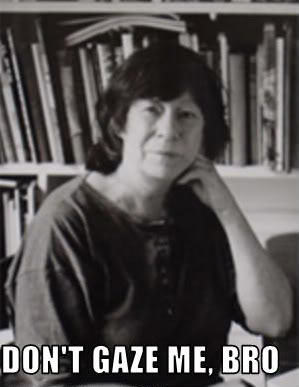
كل هذا يعني أن الجمالية الجديدة تدور حول طرق جديدة للنظر ؛ طرق جديدة للرؤية. وحتى الآن ، مع بعض الاستثناءات القليلة ، يبدو أن الكثير من الرجال يقومون بالبحث والحديث والكتابة. في رد رائع على جميع الرجال وجميع ردودهم ، تستدعي مادلين آشبي شبح لورا مولفي بمقالة على جماليات نيو من جيز. هي تقول ،
على ما يبدو ، استغرق الأمر الكثير من كاميرات الدوائر التلفزيونية المغلقة لبعض الرجال ليشعروا بشدة النظرات التي كانت دائما تحت النساء تقريبا. استغرق اختراع الفتيات حولي * .. استغرق الأمر فيسبوك. استغرق الأمر الموقع الجغرافي. تلك الروح من الأداء لديك عن جنسيتك ، الآن؟ هذا الشعور أن شخص ما يتأمل فوق كتفك ، ومشاهدة كل ما تفعله وقول وفكر واختيار؟ هذا الشعور من يجري ملاحظتها؟ انها ليست وجها جديدا للحياة في القرن الحادي والعشرين. هذا ما تشعر به لفتاة.
أشبي يلمح إلى شيء أساسي على ما يبدو لكنه غير معترف به. والجمالية الجديدة هي عن النظر ، دون شك. ومع ذلك ، فإن tumblr الذي لا يمكن تجاوزه حتى التمرير ، هو في حد ذاته شيء يجب النظر إليه. تدور حول أن ينظر إليها البشر والآلات ، عن كونها موضوع النظرة. إنه يتعلق بحل الخصوصية والحقوق الإنجابية ، ورصد ، ورسم خريطة ، ومراقبة الهيئة (إعادة) العنصرية (إعادة) الجندرية.
هل هو خام (ناهيك عن حرج) للإيحاء بأن جاذبية الجمالية الجديدة تكمن في فرصة للعيش لفترة قصيرة في الذاتية الأنوثة؟ ربما ، على الأرجح. ومع ذلك ، فإن الأمر يستحق العودة إلى ، ومقالتها – على مقالتها – على البصر ، . هنا ، تناقش هنا ثلاث نظرات موجودة في السينما: النظرة المباشرة أو نظرة الكاميرا ، نظرة الجمهور ونظرات “الشخصيات في بعضهم البعض داخل الوهم على الشاشة”. وتوظف نظرية التحليل النفسي ، وتشرح كيف توضح المتوسط ينكر الفئتين الأول والثاني منها في النظرة الثالثة.
قد يتم تخطيط هذا بسهولة إلى . إن العين الميكانيكية “Vertovian” للماكينة ونقرها ، والتمرير ، والنظرة الخفقان كلاهما مضمنان في النظرة القاعية العلائقية على الشاشة. لإعادة صياغة كابلان ، تتحكم الآلات في البشر والآلات الأخرى ، الذين يصبحون هدفا للنظرة. المشاهد ، بدوره ، هو التعرف على هذه النظرة الآلية ، وتمييز البشر والآلات على الشاشة. إذاً ، لا يبدو أن “الجمالية الجديدة” هي الكثير فيما يتعلق بالنظر أو النظر ، بل بالأحرى العلاقة المتبادلة بين الناس والآلات. الناس ينظرون إلى الآلات التي تبحث في الناس ، والعكس بالعكس. أشخاص ينشئون علاقات مع أشياء مجهولة لـ Bridle & co والعكس صحيح.
يقول Esthetician جريج Borenstein ، ردا على الجنيه الاسترليني عن طريق إحضار كائن التوجه Oriology (OOO)
الجمالية الجديدة هي اندفاع واضح للتعاطف المتبادل بيننا وبين فئة من الأشياء الجديدة التي تعود إلى القرن الحادي والعشرين. وهو يتألف من القطع الأثرية البصرية التي نصنعها لمساعدتنا على تخيل الحياة الداخلية لأجسامنا الرقمية وكذلك التمثيل البصري الذي أنتجته أجسامنا الرقمية كنوع من لغة الحمام بين حياتهم الداخلية التي يصعب الوصول إليها وحياتنا. إنه أثر مصممي التفاعل ، وأجهزة المراقبة بدون طيار ، وأنظمة التعرف على الحركات ، ومصممي الأزياء ، وتقنيات ضغط الصور ، والفنانين ، وشبكات الدوائر التلفزيونية المغلقة ، وصانعي الأفلام ، الذين “يتساءلون عن بعضهم البعض دون الحصول على تأكيد.”
الجمالية الجديدة هي اندفاع واضح للتعاطف المتبادل بيننا وبين فئة من الأشياء الجديدة التي تعود إلى القرن الحادي والعشرين. وهو يتألف من القطع الأثرية البصرية التي نصنعها لمساعدتنا على تخيل الحياة الداخلية لأجسامنا الرقمية وكذلك التمثيل البصري الذي أنتجته أجسامنا الرقمية كنوع من لغة الحمام بين حياتهم الداخلية التي يصعب الوصول إليها وحياتنا. إنه أثر مصممي التفاعل ، وطائرات الاستطلاع بدون طيار ، وأنظمة التعرف على الحركات ، ومصممي الأزياء ، وتقنيات ضغط الصور ، والفنانين ، وشبكات الدوائر التلفزيونية المغلقة ، وصانعي الأفلام “يتساءلون عن بعضهم البعض دون الحصول على تأكيد….
ما يراه المعاصر حقا حول جمالية جديدة ، على الرغم من ذلك ، هو انعكاس دوره أوسع من التعليق (على سبيل المثال ، المدونات) إلى التدبير (المدونات الصغيرة). وداخل المدونات الصغيرة ، تحول من النص البحت (على سبيل المثال ، تويتر) إلى المزيج البصري (Instagram ، Tumblr ، Pinterest). أريد أن أتطرق إلى العمل الفضولي لـ نفسها – من الجمالية المستقبلية ، عبر؛ من خلال وسائل الاعلام الاجتماعية أو مستحضرات التجميل ، والجراحة وهلم جرا.
إنها كلمة غريبة ، وهي كلمة كانت ترتبط بشكل ملحوظ بأداء العمل النسوي التقليدي. علاج لحم الخنزير و و “طرح” تنتج لفصل الشتاء. حساء الدجاج لنزلات البرد. التصالحات والعلاجات والشفاء. عمالة غير مدفوعة الأجر تقوم ببناء وتمكين العمالة المنتجة المدفوعة الأجر. الجمع ، وتجميع ، ورعاية ، ورعاية الأشياء والأشخاص. المدونة “لها دلالات كنسية مثيرة للاهتمام أيضًا ؛ اعتاد على أن يكون المحترف الديني المهني المكلّف بالرعاية والعلاج والوصاية على النفوس. في الفن أو في النشر ، ترميز قيمة مناسب. وفي القانون ، فإن الوصي هو على وجه التحديد “حارس قاصر ، مجنون ، أو غير مؤهل آخر ، خاصة فيما يتعلق بممتلكاته.”
ماذا يعني بعد ذلك أن يقوم Aestheticians الجديد بتجميع الكتاب المستقبلي كما هو مألوف؟ هل يعالجون التمزق ، ويؤدون عملاً عاطفيًا أو إنجابيًا ، ويحرسون ويرسمون البوتات قبل التفرد؟ وكيف يمكن أن نجلب تدمير مولفي لسرورته هو سلاح راديكالي؟
إلكتروني